Founder Institute Austria Fall 2025 Graduation: Building Beyond the Pitch
Two founders in the Fall 2025 cohort launched working products with integrated payments and no technical skills. Ten companies crossed the finish line with live products, real users, and traction to point to.
By Kasia Sadowska
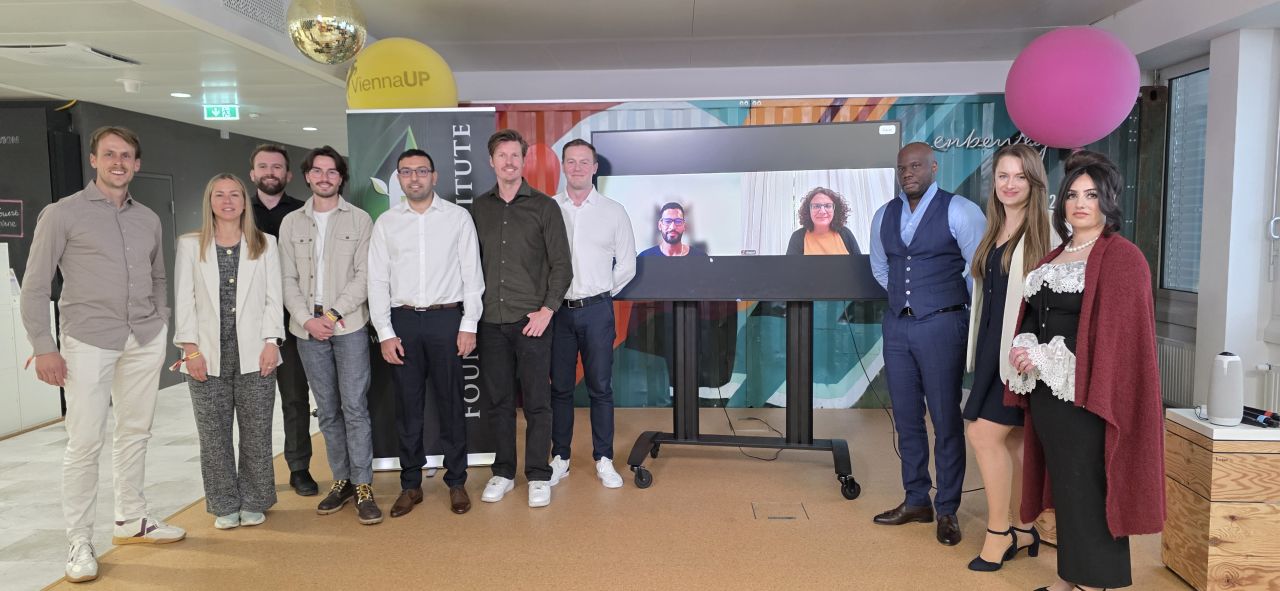
Two founders in the Fall 2025 cohort launched working products with integrated payments and no technical skills. That is the difference this graduation was built on. When the Founder Institute Austria Fall 2025 cohort reached graduation, the ten companies that crossed the finish line did not have slides promising what they would build one day. They had live products, real users, and traction to point to.
Meet the graduates
Four months of weekly sessions, mentor pressure, and pitch practice produced ten companies. Togethrust built community lending for immigrants in Europe. Exado built a clinical workflow platform for healthcare. Hyvop took on cloud cost management for companies. Zayl built real-time carpooling for everyday travel. Investy built an AI copilot for wealth advisors doing fund analysis. Alongside them came Alignum, Legendary Rides, NewModesty, Enable Good, and Mamosa, the marketplace connecting learning with earning in recovery economies.
Ten different problems, ten different markets. What they shared by graduation was that each one had moved past describing the idea and into running it.
The workshop that got them building
Part of what made that possible was a special extra workshop run by Kasia Sadowska, our Founder, on how to move from idea to revenue with vibe coding. Founders worked with Lovable, an AI tool that turns a plain-language description into a working product, and they used it to put their idea in front of them instead of on a slide. The free Lovable credits from the Founder Institute partnership meant nobody had to raise money or hire a developer before they could start.
The output was real. Some founders launched full platforms with payment processing included. A few moved on to other development tools once they had proven the core of what they were building. Everyone came out with a live product generating traction.
That changes what graduation means. Instead of leaving with a plan and a list of next steps, these founders left with something a customer could already use.
What the founders had in common
The ones who got the furthest were clear about who they were building for. The description you give a tool like Lovable is only as good as your understanding of the problem behind it. When a founder knows their user, what that person does today, and why it costs them, the product they build reflects it. The technical part stopped being the thing standing between an idea and a working version. Knowing exactly what to build became the real work, and that is the part a founder is meant to own.
The Fall 2026 cohort is open
Ten founders just proved the point. They started with ideas and finished with products people can use today, built in months, without waiting on a technical co-founder to make the first move. The Fall 2026 cohort is now open. If you have been sitting on an idea, bring it, along with a clear sense of who it serves. That is enough to start.